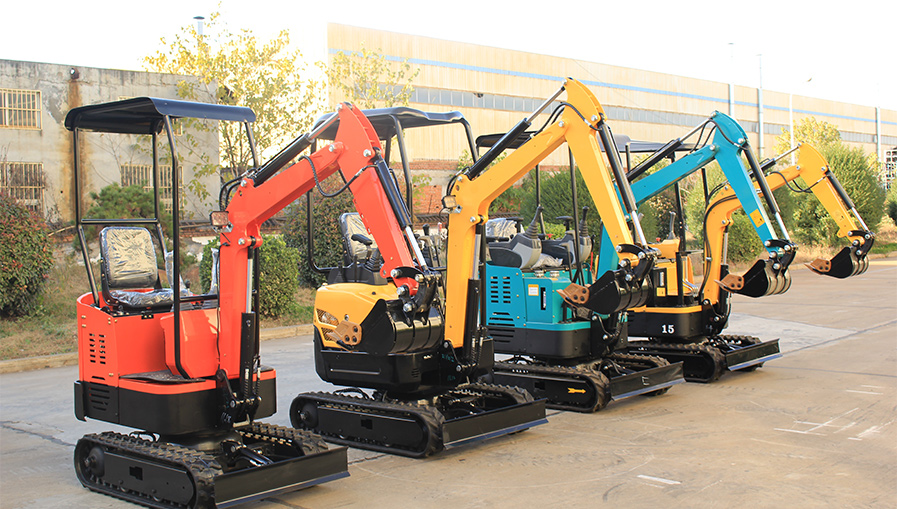
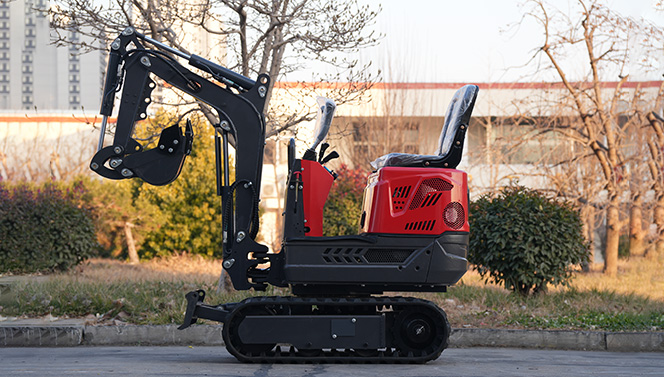
Demand for small-scale projects such as yard renovation, orchard land preparation, indoor demolition and sporadic municipal maintenance keeps rising, driving a growing need for transporting mini and small excavators between job sites. Mini excavators are compact and can work in residential alleys, greenhouses, basements and narrow orchard paths. However, safe and smooth loading onto trailers has long been a major challenge for individual contractors and landscape teams. As dedicated supporting transfer equipment, mini excavator loading ramps have become popular on the market.
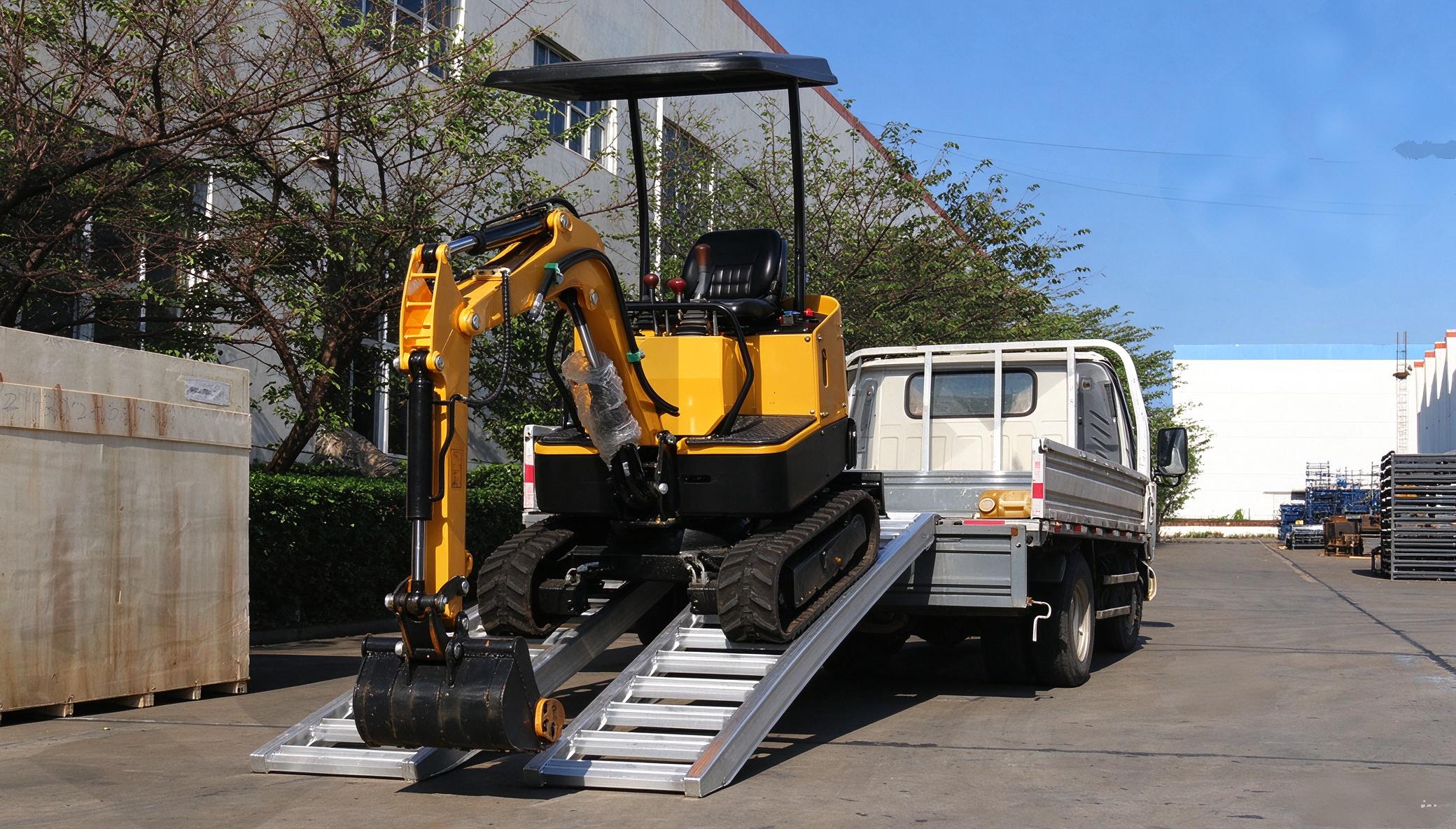
Aluminum loading ramps are lightweight and corrosion-resistant, easy for one person to carry and set up, ideal for frequent site transfers. Thickened steel loading ramps offer higher load capacity, suitable for long-term heavy-duty use with larger small excavators. Reinforced connectors at both ends fit tightly against trailer flatbeds, with fixing buckles to prevent shifting during operation without complicated extra fastening. Once installed, the excavator can drive onto and off the trailer slowly and steadily.
These ramps are compatible with most 1–3 ton mini and small excavators available on the market, and also work for tracked equipment including tracked mowers and harvesters. Widely applied in landscaping, yard renovation, orchard farms, property maintenance and minor civil construction, they can be quickly set up even on narrow roads and rural construction sites.
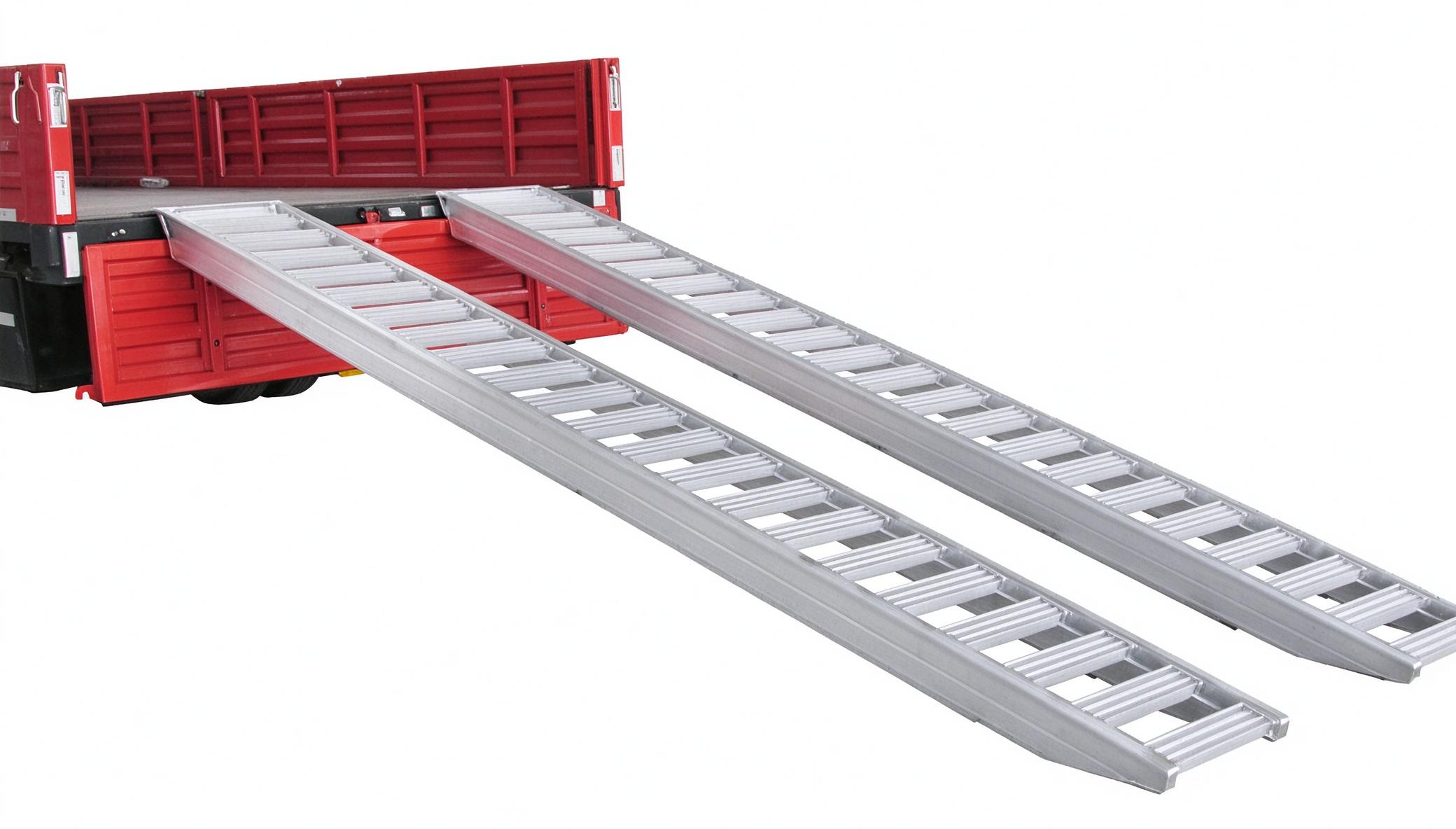
Against the trend of lightweight and high-efficiency small-scale engineering, mini excavator loading ramps fill the gap in mini excavator transportation, featuring reliable safety, low cost and portability.