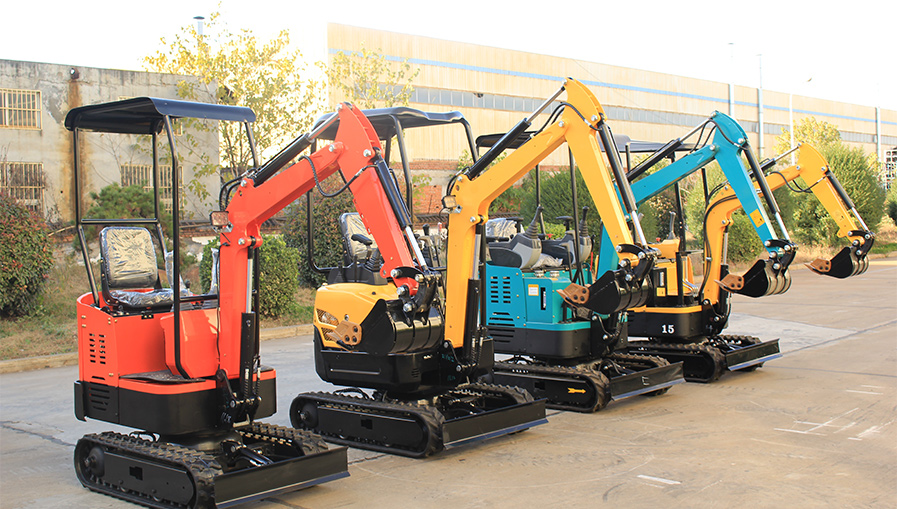
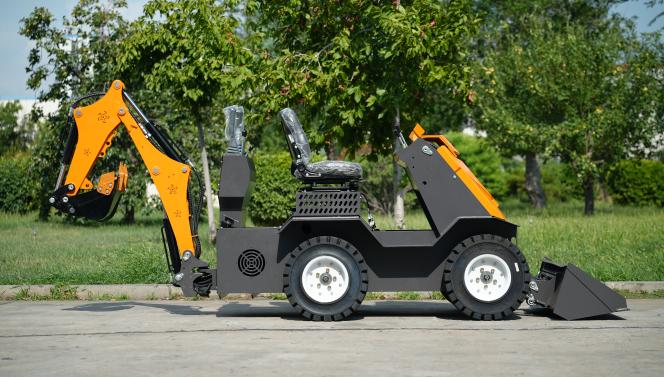
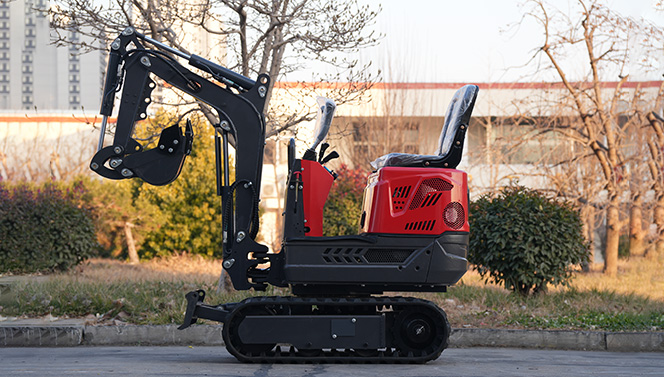
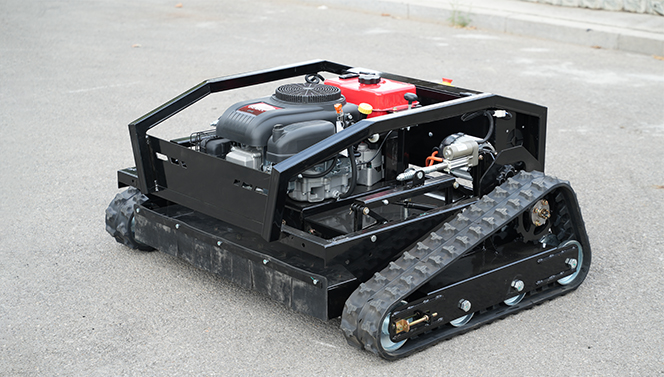
With the growing number of projects involving construction in confined urban spaces, garden maintenance, farm cleaning, partial demolition of old buildings and road repair, skid steer loaders have become popular construction machinery for operation in narrow job sites, thanks to their compact body, zero-radius turning and quick attachment switching capabilities.
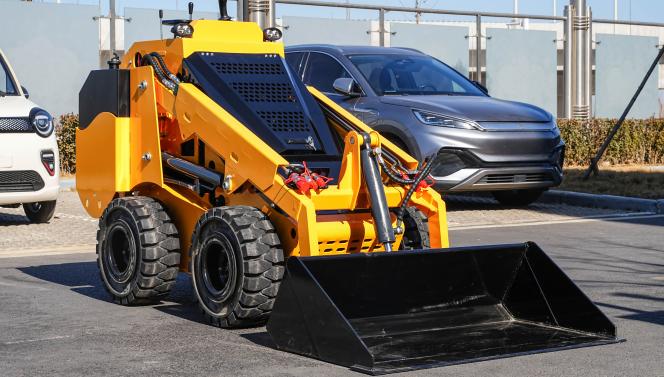
Large construction machines feature bulky bodies and large turning radii. They cannot access tight areas such as residential alleyways, indoor construction sites, greenhouse interiors and courtyard renovation sites. Many scattered projects have to rely on manual labor, which means high labor intensity and slow construction progress. The skid steer loader solves this problem perfectly. With its compact size, it enables zero-radius in-place turning and flexible maneuvering within confined spaces. Equipped with four-wheel independent drive, it delivers outstanding traction and runs stably on muddy, gravelly and uneven ground.
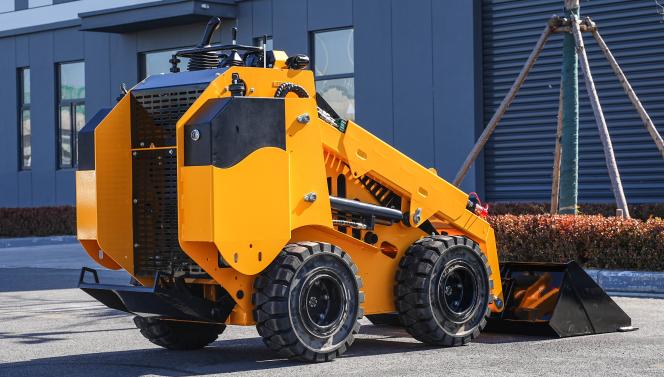
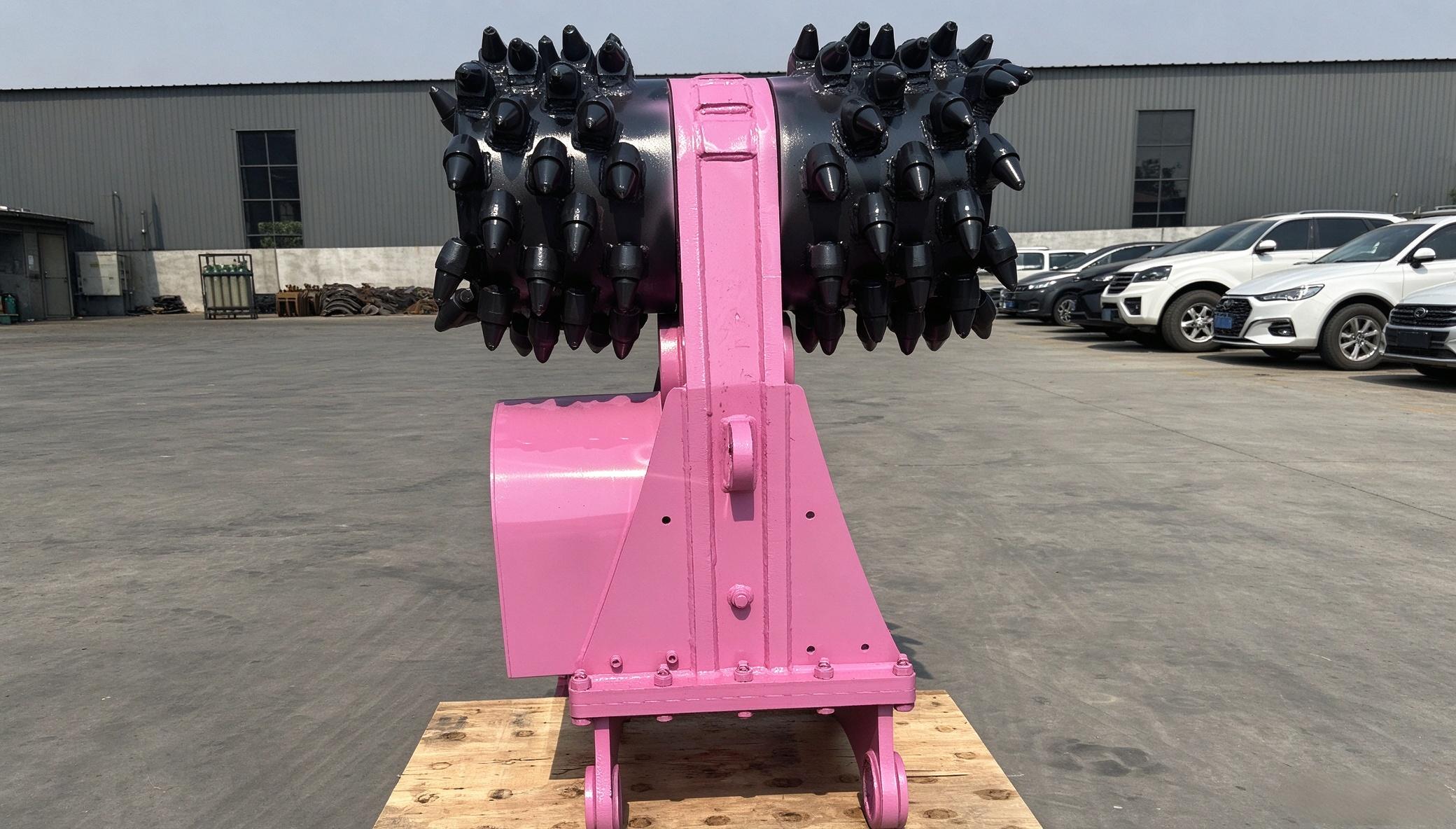
Its biggest highlight lies in strong expandability with a wide range of quickly replaceable attachments. Fitted with a standard bucket, it can handle loading and transporting sand, gravel, muck and feed materials. Paired with a hydraulic breaker, it crushes concrete. It is also compatible with snow brooms, dozer blades, grapples, milling machines, plate compactors and more. A single machine can perform multiple operations including loading, crushing, sweeping, dozing and grabbing. This multi-purpose design greatly cuts down equipment procurement costs.
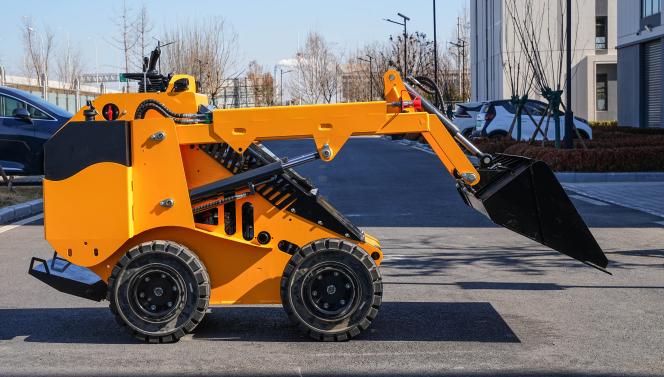
The machine is easy to operate with an open operator view and responsive control system. Its rugged structure ensures long service life, and maintenance is simple and convenient. It efficiently handles municipal road maintenance, greening and silt clearance, farm manure cleaning, indoor demolition, winter snow removal and more.Against the backdrop of rising demand for refined construction, skid steer loaders, boasting flexible mobility and multi-function compatibility, are widely used in municipal engineering, landscaping, farming and small-scale infrastructure. They are the preferred equipment for construction work in confined spaces.