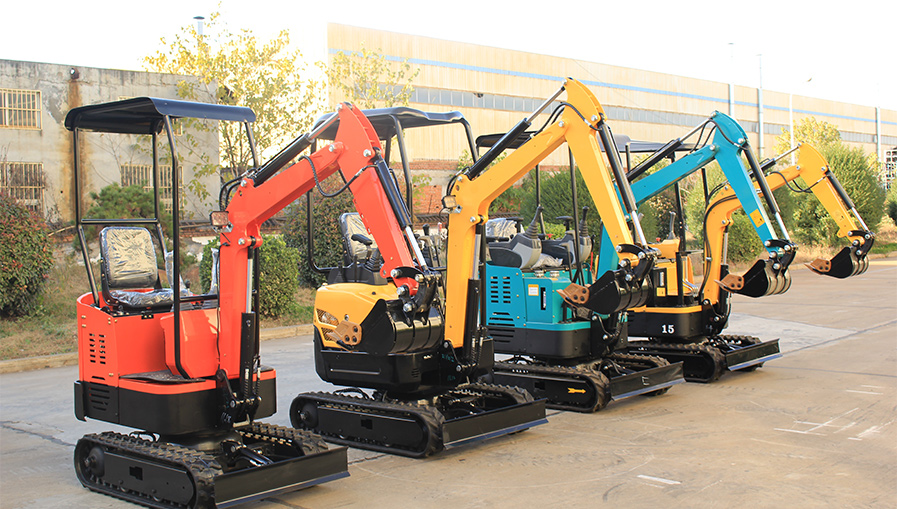
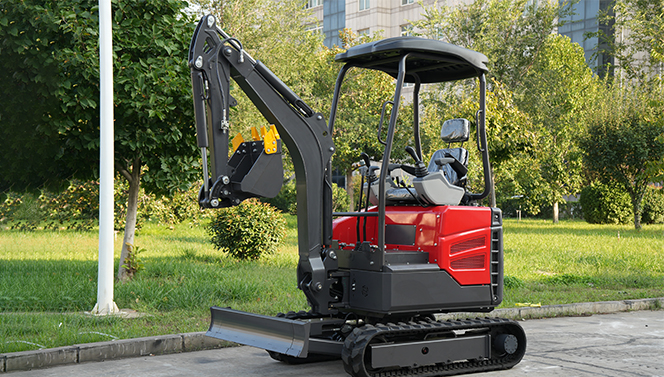
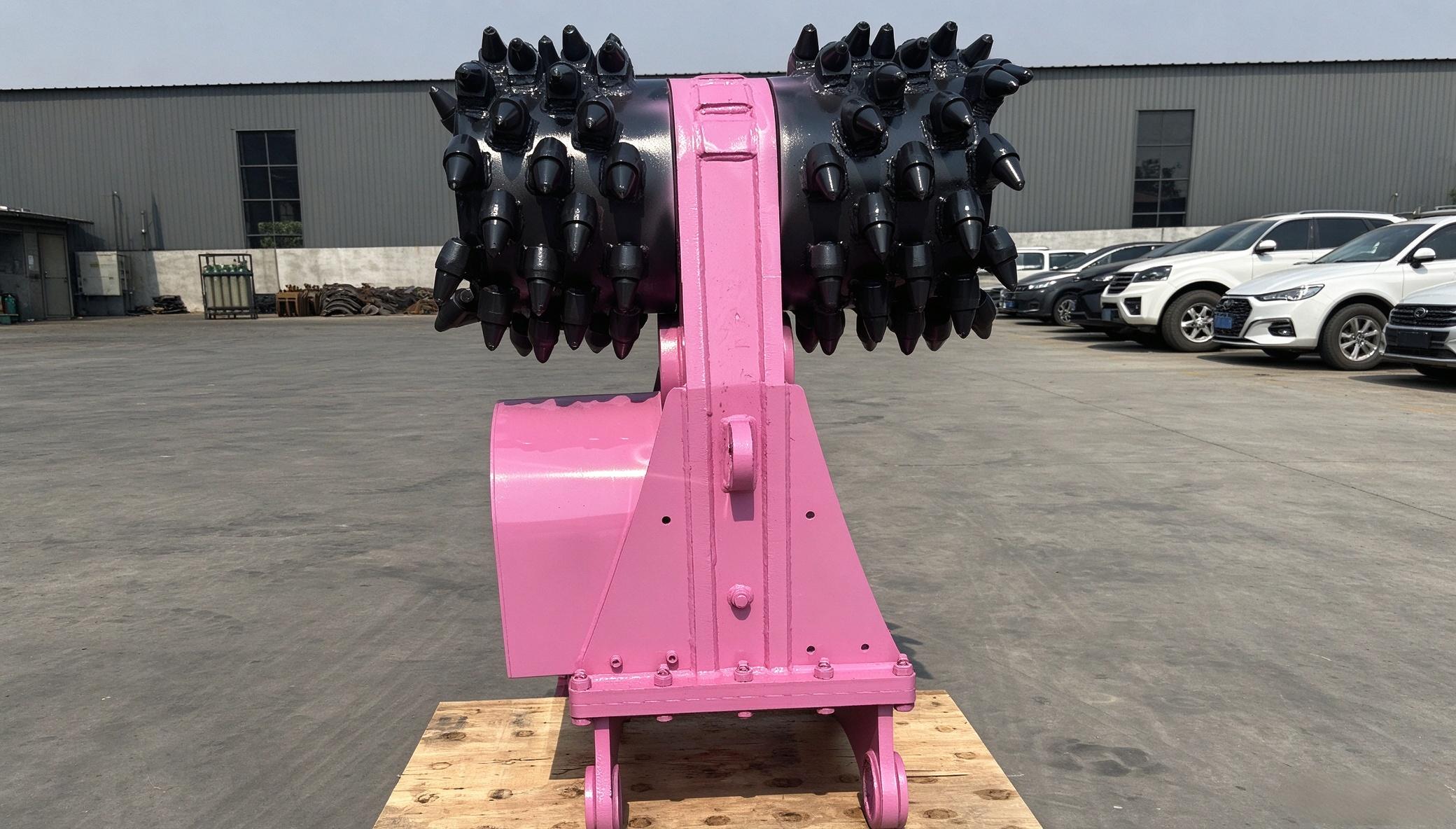
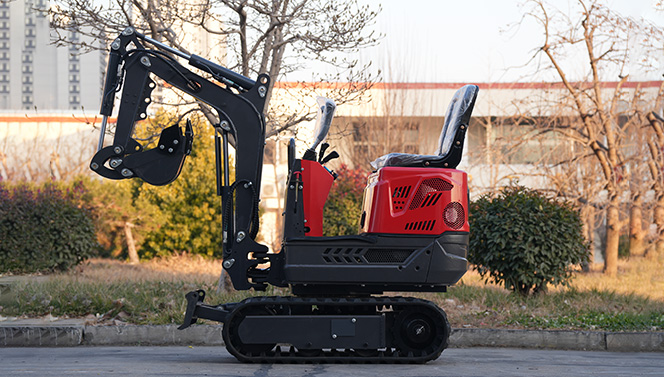
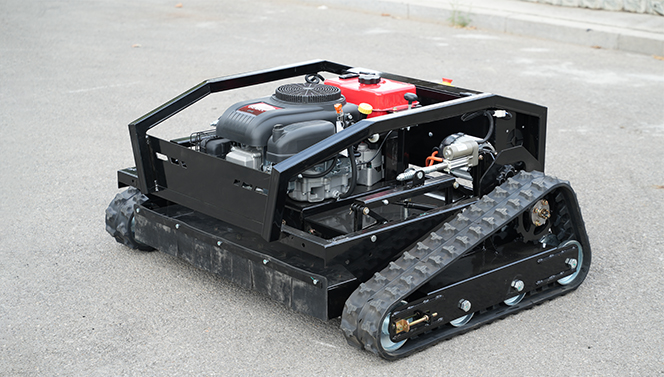
An increasing number of overseas private farm owners, backyard renovation enthusiasts and orchard growers are purchasing mini excavators on their own. Unlike bulk purchasing by construction contractors, private buyers prioritize budget control, easy transportation, simple operation and low-maintenance convenience. Many new buyers tend to compare prices only and overlook key parameters such as tonnage, tracks, emission standards and attachment compatibility, ending up with machines unsuitable for their working conditions.
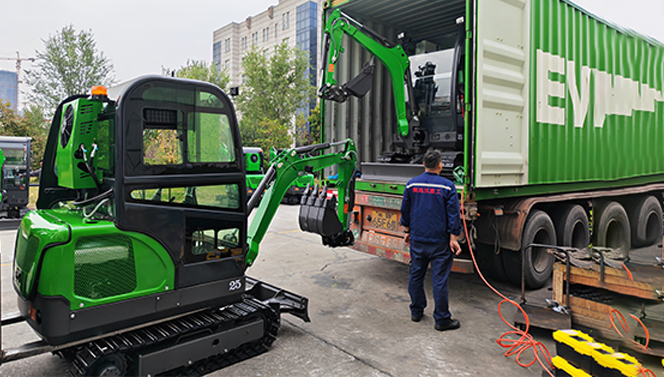
The first step for private buyers is to clarify the working scenarios and site conditions. For villa courtyard renovation, garden land preparation, root removal and drainage trench digging where gateways are narrow, 1-ton to 2-ton mini excavators are preferred. The zero-tail swing design prevents scratching walls and trees during rotation. For orchard land clearing, seedling planting and irrigation trench excavation, 2.5–3.5 ton models are a good choice, delivering greater digging depth and power. Rubber tracks are a popular option for private users, as they will not damage lawns or paved surfaces. If you often work on hard rock and gravel sites, steel tracks can be fitted for better wear resistance.
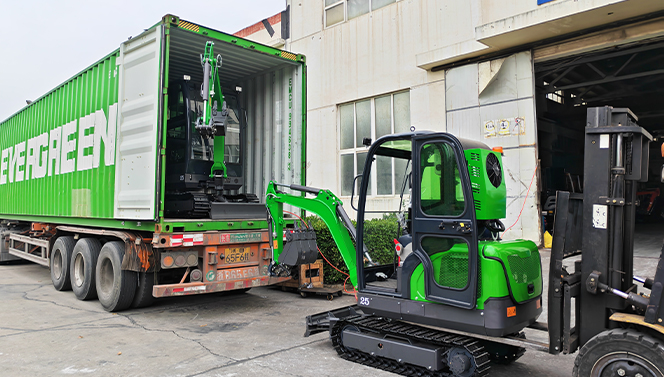
Transportation is a point easily overlooked by individual buyers. Mini excavators require trailers for transfer. You need to confirm whether the machine weight falls within the load capacity of your trailer and whether the machine width can pass through yard gates and shed doors smoothly. Higher tonnage means stronger digging power, yet it also brings higher difficulty in transport and storage as well as higher fuel consumption. Do not blindly choose larger models, which may lead to idle investment. Next, focus on power, hydraulic performance and expandability. When budgeting, private buyers should take the machine price, freight cost, spare part expenses and warranty period into comprehensive consideration, instead of merely comparing prices.