As demand rises for scenic homestays, construction site temporary accommodation, emergency resettlement and park supporting facilities, container houses have become a popular prefabricated building solution for their modular design, fast installation, mobility and outstanding cost performance. Compared with traditional brick-concrete buildings, container houses greatly shorten the construction period while taking environmental protection and practicality into account, winning popularity among contractors, tourism operators and individual buyers.
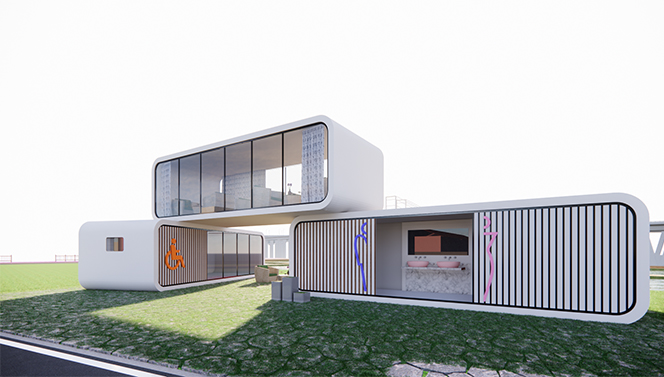
Container houses are built on standard container frames. Water, electricity pipelines, thermal insulation walls, doors and windows are pre-installed in the factory. After finished units arrive at the site, users only need ground leveling and pipeline connection. They can be put into service in a short time without complicated civil work. Multiple units can be connected side by side or stacked vertically to form offices, dormitories, homestay rooms, shops and storage rooms, with flexible layouts for different purposes.
Thermal insulation is a key feature of high-quality container homes. Premium models use thick rock wool or polyurethane insulation panels plus waterproof and anti-corrosion exterior cladding, blocking heat and cold and cutting energy costs for heating and cooling. The steel frame is treated with rust removal and anti-corrosion paint, offering good wind and earthquake resistance, making it suitable for construction sites, mountain camps and remote outdoor locations. The whole unit can be lifted and relocated after projects finish for repeated use, cutting construction waste and supporting green building standards.
Cost-effectiveness remains one of the biggest advantages. Traditional buildings require huge investment on materials and labor with long construction cycles. Mass-produced container houses have predictable prices and low maintenance costs. They deliver better return on investment for temporary site dormitories, resort homestays, farm guard houses and field offices for short or medium-term use.
With upgraded prefabrication technology, modern container houses are no longer crude temporary shelters. Manufacturers support custom interiors, door and window styles, exterior colors, balconies, French windows and canopies to create attractive and livable spaces. Overseas, container homestays and modular vacation cabins see steady growing demand and rank among top-selling prefab building products for export.
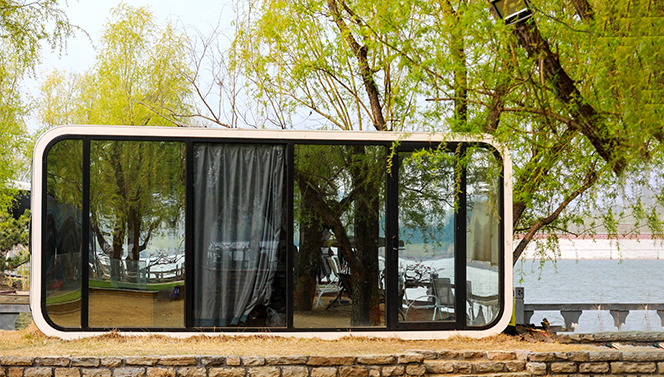
It should be noted that qualified container houses follow steel structure building codes with certified fireproof, waterproof and insulation systems. Buyers need to check steel thickness, insulation grade, waterproof craftsmanship and electrical systems and choose reliable suppliers for safety.
As a lightweight prefabricated solution, container houses will keep playing an important role in tourism, construction and emergency housing sectors, bringing a new choice for rapid building construction.