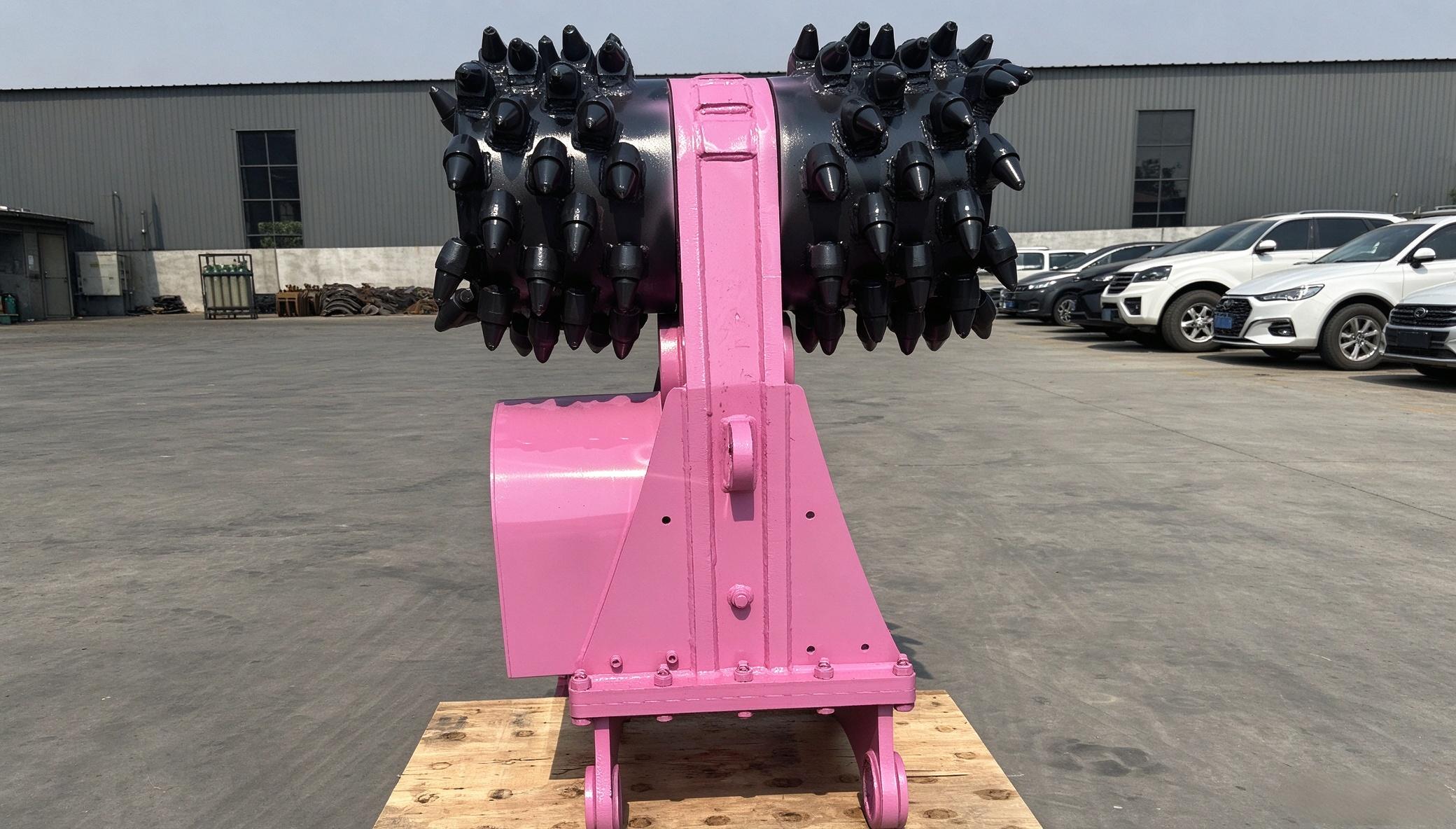
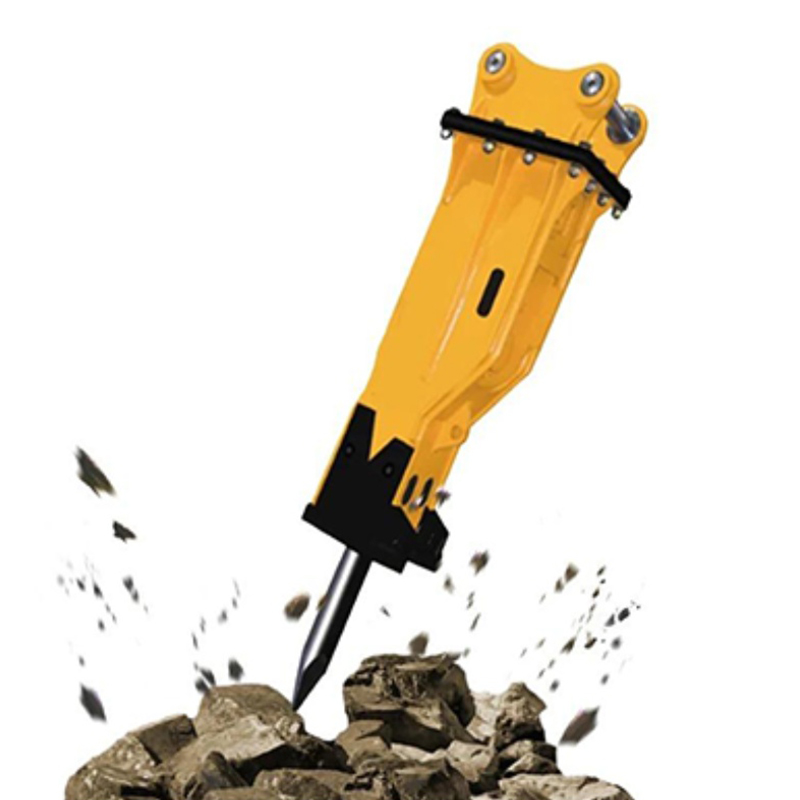
Hydraulic breaker, commonly known as rock hammer, is a mainstream hydraulic attachment for excavators. Driven by the excavator’s hydraulic power, its piston strikes the chisel at high frequency, converting hydraulic energy into impact kinetic energy to break rock, reinforced concrete and hard pavement. It serves as core equipment to replace blasting in municipal demolition, quarrying and infrastructure construction.
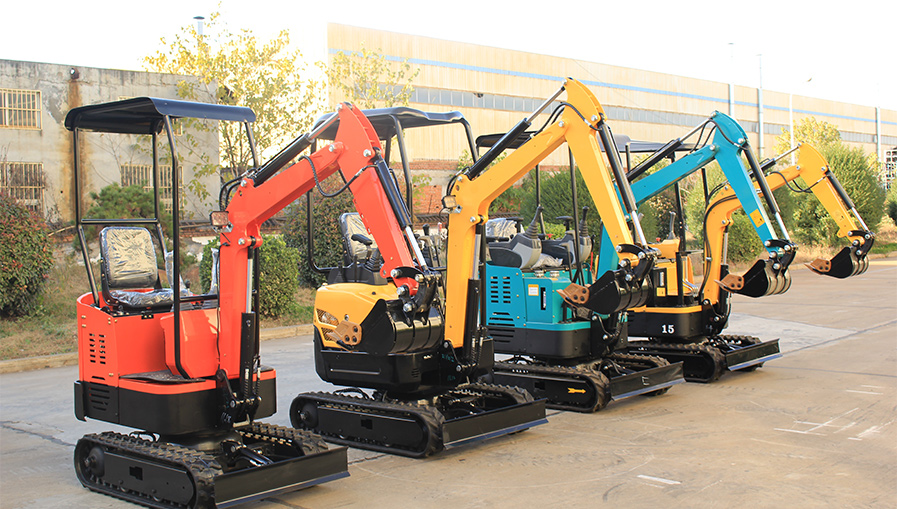
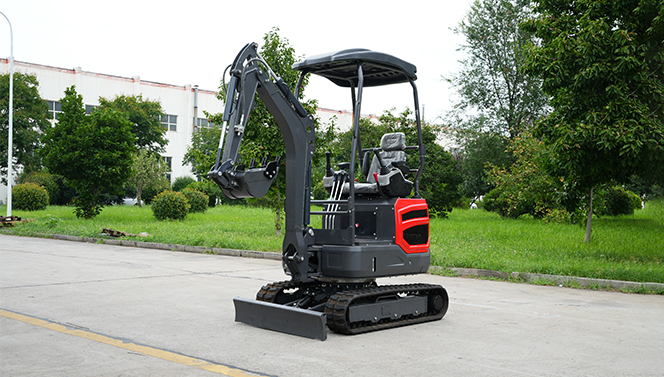
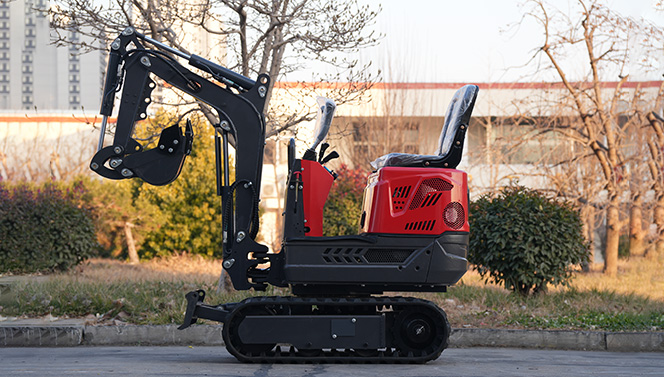
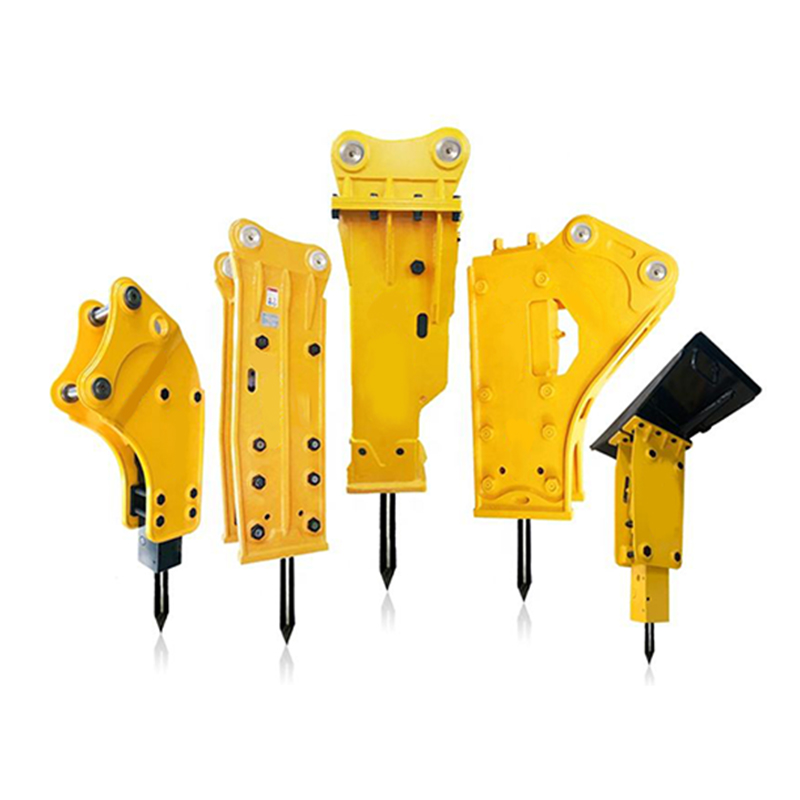
Hydraulic breakers fall into two structural types: triangle type and silenced box type. By impact force and matching excavator tonnage, they are classified into light-duty, medium-duty and heavy-duty models. Light-duty breakers are designed for mini and small excavators. Featuring compact body and lower vibration, they are widely used for residential renovation, indoor demolition, stone clearing in gardens and trench excavation. Medium-duty breakers fit 12–25 ton excavators, the primary choice for municipal road repair, old floor demolition and rock breaking in foundation pits. Heavy-duty breakers match large excavators with powerful impact energy, suitable for heavy-load applications such as secondary breaking of quarry stones, hard rock excavation and thick reinforced concrete demolition. The silenced box type comes with built-in shock absorption structure for outstanding noise reduction, ideal for construction in residential areas and urban zones with strict noise control requirements.
New-generation hydraulic breakers are equipped with shock buffering and dust-proof structures, which reduce damage to the excavator boom and hydraulic pump caused by impact vibration and extend the service life of the whole machine.