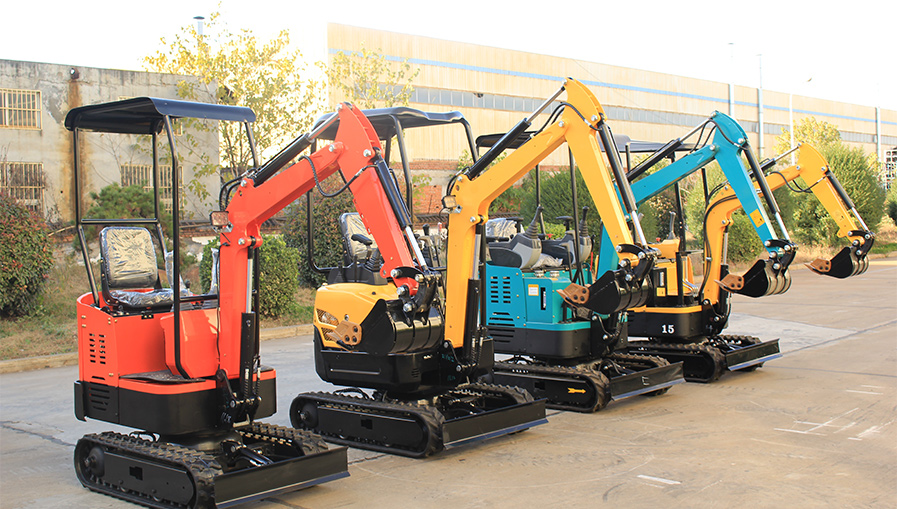
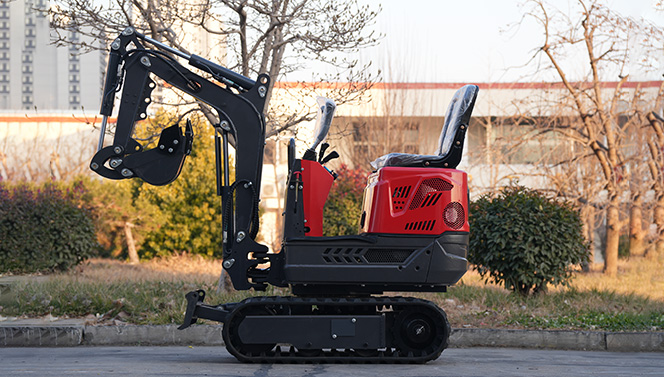
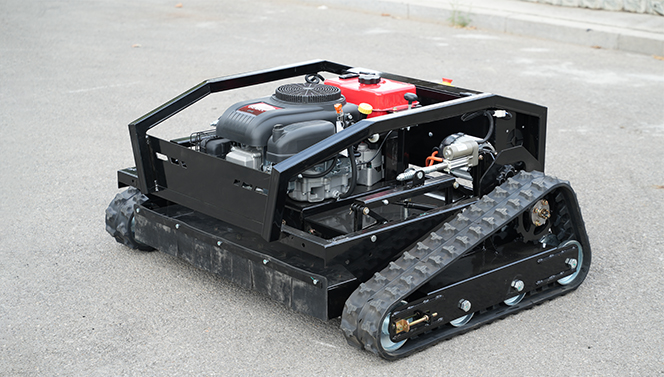
Large construction machinery often struggles to operate in space-limited construction, landscaping, municipal and agricultural projects. Thanks to its zero-turn and multi-functional advantages, the skid steer loader has become a compact construction machine with rising popularity in overseas markets in recent years. This compact and agile machine achieves in-place turning through differential skid steering of wheels or tracks on both sides, requiring no extra turning clearance. It is especially suitable for narrow work areas such as basements, yard renovation, factory interiors, orchards and greenhouses.
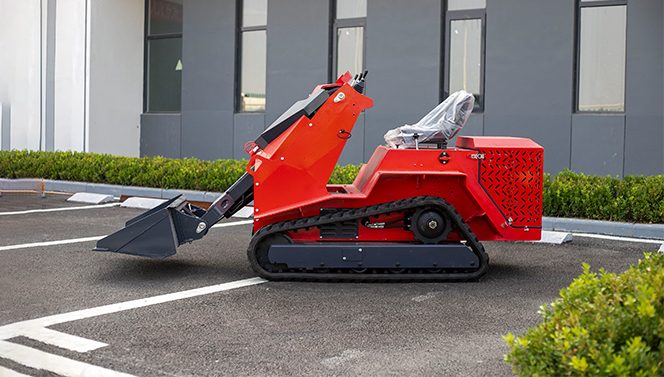
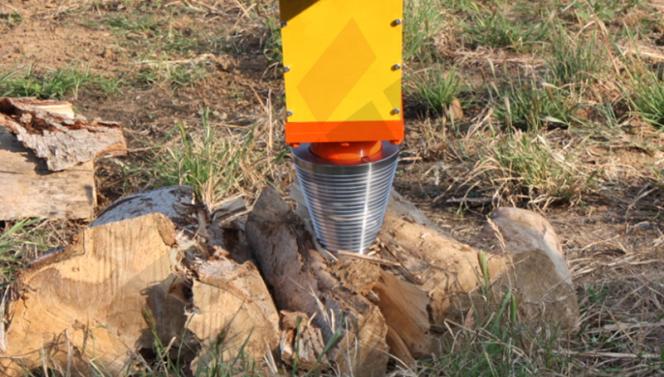
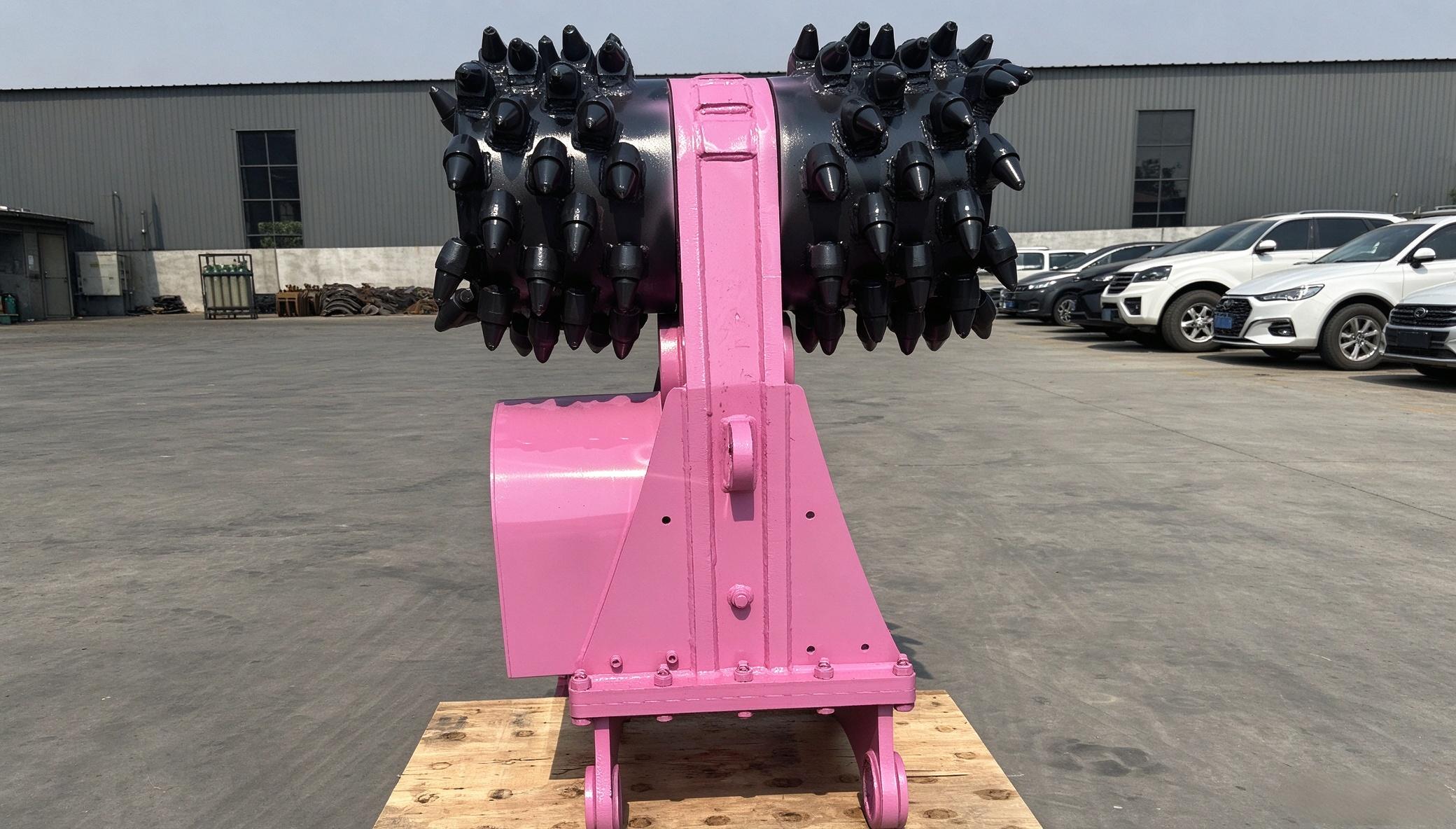
The standout feature of skid steer loaders is the quick-attachment design. Fitted with quick couplers, operators can rapidly switch between various attachments including buckets, grapples, hydraulic breakers, snow brooms, rakes and pallet forks within a short time. A single unit can handle earthmoving, site leveling, material handling, demolition, snow removal, landscaping preparation and more. It replaces multiple dedicated machines and greatly cuts costs on procurement, transportation and maintenance, delivering excellent value for contractors, landscaping companies, farmers and municipal maintenance teams.
Two main configurations are available on the market: wheeled skid steers and tracked skid steers. Wheeled models travel faster and work well on hardened and paved surfaces with minimal damage to pavements. Tracked skid steers feature a larger ground contact area and low ground pressure, resisting slipping and sinking on muddy, soft dirt roads and sloped orchards for superior off-road performance. Users may select the right type according to ground conditions at the job site.
Overseas market demand remains strong for skid steer loaders in North America and Europe for yard remodeling, small-scale infrastructure, farm work and urban community road maintenance. Compared with large loaders, skid steer loaders are lightweight and compact, easy to transport on flatbed trailers for flexible mobilization. They are ideal for small, scattered and short-term projects.
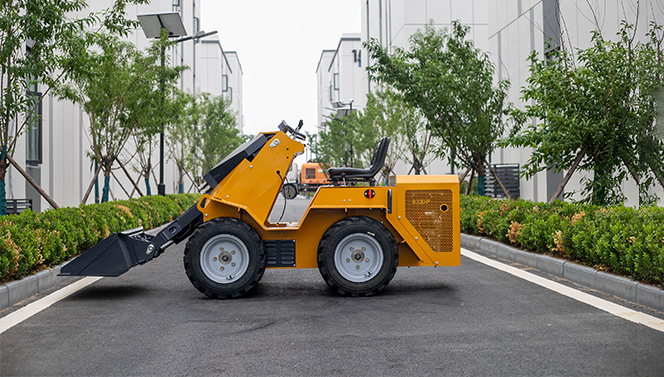
Key factors to consider when selecting a skid steer loader include rated operating capacity, hydraulic flow, engine quality, quick-hitch structure and spare parts supply chain. Reliable units are equipped with well-known brand diesel engines with stable heat dissipation and reasonable fuel consumption, backed by sufficient spare parts supply. This prevents issues such as poor attachment compatibility and long waiting time for repairs.
As compact construction equipment gains wider adoption, skid steer loaders will remain the preferred choice for confined-space jobs with their flexibility, versatility and cost advantages, bringing higher construction efficiency and profit margins to small and medium-sized construction service providers.